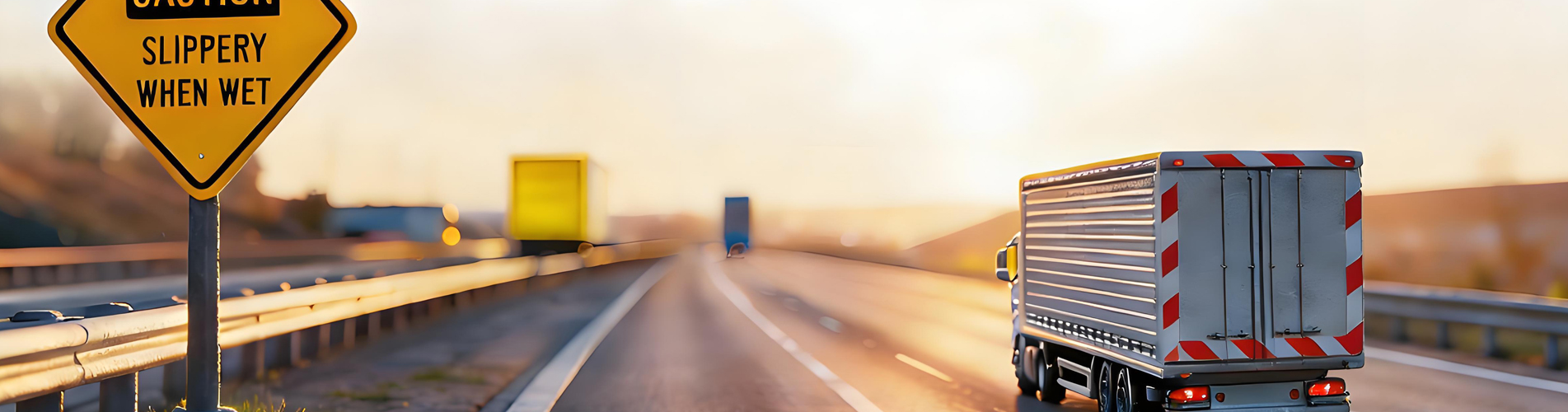
Для обеспечения хорошей видимости и надежной работы необходимы подходящие материалы. Светоотражающая пленка инженерного класса выделяется как практичное решение для общего применения. Чаще всего ее используют для рекламных вывесок, дорожных знаков, знаков промышленной безопасности, номерных знаков транспортных средств, парковочных и указательных знаков, светоотражающих букв и цифр, графических обозначений безопасности, вывесок на строительных и промышленных объектах, а также муниципальных и транспортных знаков. Этот тип пленки повышает безопасность и обеспечивает видимость знаков в условиях низкой освещенности. Узнайте больше о Светоотражающая пленка инженерного класса чтобы найти оптимальный вариант для вашего проекта.
Основные выводы
Светоотражающая пленка инженерного класса идеально подходит для общего применения, обеспечивая умеренную видимость для знаков безопасности и дорожных знаков.
Выберите подходящий тип материала: стеклянные шарики для базовой отражательной способности, микропризмы для превосходной видимости и неметаллизированные пленки для долговечности.
Всегда проверяйте соответствие стандарту ASTM D4956 Type 1, чтобы убедиться, что ваша светоотражающая пленка отвечает минимальным стандартам светоотражающей способности.
Оцените такие факторы окружающей среды, как воздействие ультрафиолетового излучения и погодные условия, чтобы выбрать наиболее подходящую светоотражающую пленку для вашего проекта.
Регулярные проверки и техническое обслуживание светоотражающих знаков помогают сохранить видимость и продлить срок службы материалов.
Что такое светоотражающая пленка инженерного класса?
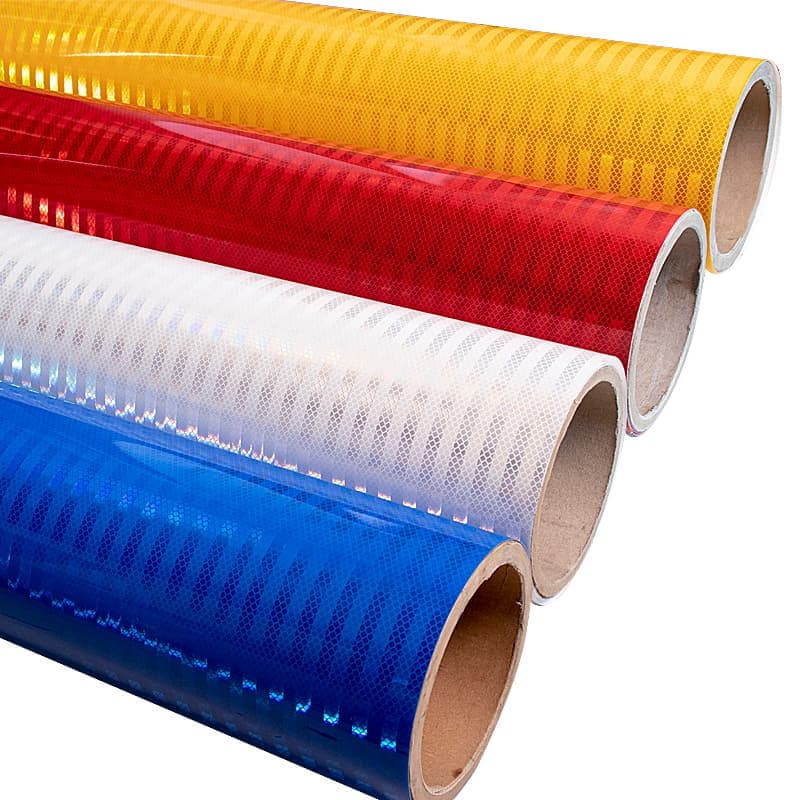
Характеристики и стандарты ASTM
Светоотражающая пленка инженерного класса гарантирует надежную работу в широком спектре знаков безопасности и дорожных знаков. Эта светоотражающая пленка, изготовленная на заказ, использует передовые материалы для обеспечения оптимального баланса видимости и долговечности. Наиболее распространенные типы материалов включают стеклянные шарики, микропризмы и неметаллизированные пленки. Каждый материал по-своему влияет на светоотражающие свойства и пригодность для применения:
Тип материала | Описание | Влияние отражательной способности |
|---|
Стеклянные бусины | Встроенные в клеевые слои, они отражают свет, но менее яркие, чем микропризмы. | Обеспечивает базовую светоотражающую способность, подходящую для некритичных вывесок. |
Микропризмы | Разработан для интенсивного отражения света, обеспечивая превосходную видимость. | Улучшает видимость на больших расстояниях, идеально подходит для обеспечения безопасности. |
Неметаллизированный | В современных лентах используются более прочные и устойчивые к атмосферным воздействиям материалы. | Обеспечивает более длительное сохранение светоотражающих свойств при использовании на открытом воздухе. |
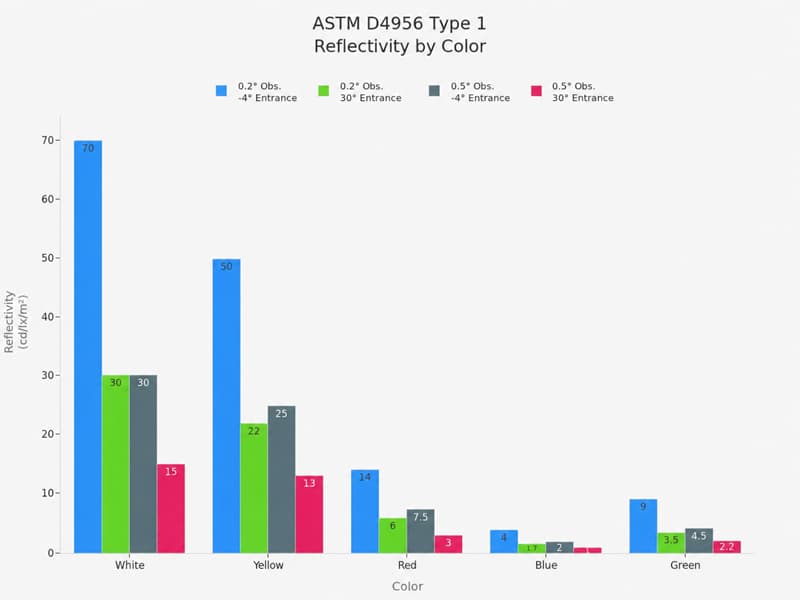
При выборе светоотражающей пленки для знаков безопасности и дорожных знаков всегда следует проверять соответствие стандарту ASTM D4956 Type 1. Этот стандарт определяет минимальные уровни отражательной способности для разных цветов и углов обзора. В таблице ниже показано, как изменяется отражательная способность в зависимости от цвета и угла обзора:
Типичные приложения
Светоотражающая пленка инженерного класса используется в различных знаках безопасности и дорожных знаках. Эта специально разработанная светоотражающая пленка идеально подходит для общего применения, где достаточно умеренной светоотражающей способности. Типичные области применения включают:
дорожные знаки на парковке
Знаки безопасности в зоне строительства
Временные дорожные знаки
Знаки безопасности на частной территории
Коммерческие знаки безопасности
Указатели направления движения
Знаки промышленной безопасности
дорожные знаки в школьной зоне
Знаки безопасности на складе
Знаки безопасности объекта
Вы получаете выгоду от экономичности светоотражающей пленки инженерного класса для некритических применений. Эта светоотражающая пленка, изготовленная на заказ, имеет типичный срок службы до 10 лет, что делает ее надежным выбором для долгосрочных знаков безопасности и дорожных знаков. Большинство производителей и регулирующих органов рекомендуют 10-летний цикл замены для таких светоотражающих пленок. Вы получаете умеренную отражательную способность и долговечность без более высокой стоимости премиальных сортов.
Для большинства некритичных знаков безопасности и дорожных знаков светоотражающая пленка инженерного класса обеспечивает оптимальный баланс производительности и стоимости. Для применений, требующих максимальной видимости или более длительного срока службы, следует рассмотреть более высокие классы, такие как светоотражающая пленка EGP или микропризматическая светоотражающая пленка PMMA.
Основные факторы выбора светоотражающей пленки
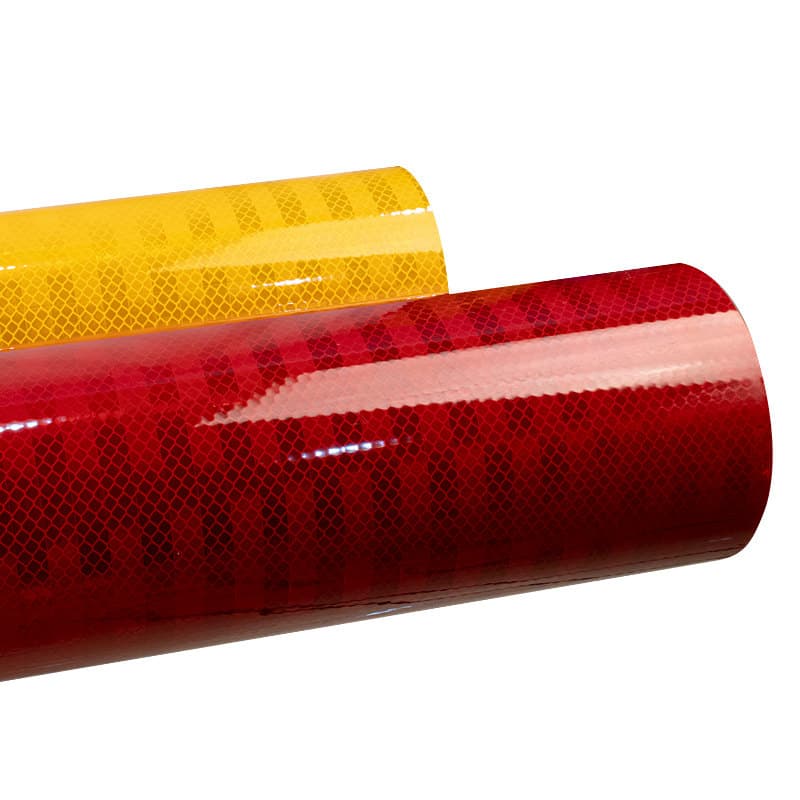
Видимость и оптимальная светоотражающая способность знака.
Вы хотите, чтобы ваш проект по установке светоотражающей пленки обеспечил повышенную видимость и безопасность, особенно в условиях недостаточного освещения. Светоотражающая пленка инженерного класса обеспечивает видимость в ночное время на расстоянии до 500 футов, что делает ее подходящей для некритичных знаков. В таблице ниже приведены основные характеристики:
Особенность | Подробности |
|---|
Видимость | Примерно 500 футов |
Описание | Использует стеклянные бусины или призматическую технологию; подходит для некритичных вывесок. |
Общие цвета | Белый, жёлтый, красный, синий, зелёный, коричневый |
Долговечность | Гарантия на использование на открытом воздухе: 5–7 лет |
Для достижения наилучшей светоотражающей способности вывески следует учитывать значения коэффициента светоотражения. Светоотражающая пленка призматического типа инженерного класса обладает высоким коэффициентом светоотражения, но если для вашего проекта требуется еще большая видимость в ночное время, возможно, стоит рассмотреть другие варианты. Светоотражающая пленка EGP для повышения производительности.
Долговечность и эксплуатационные характеристики на открытом воздухе
Прочность играет важную роль в долгосрочной эксплуатации светоотражающей пленки. Показатели износостойкости при использовании на открытом воздухе различаются в зависимости от материала:
Материал | Долговечность при использовании на открытом воздухе | Распечатываемый | Нарезаемый |
|---|
ПММА | 5-7 лет | Да | Да |
ПВХ | 1-3 года | Да | Да |
ДОМАШНИЙ ПИТОМЕЦ | 1-3 года | No | Да |
Следует выбирать материалы, соответствующие условиям эксплуатации и предполагаемому воздействию окружающей среды. Повышенная видимость и светоотражающие свойства со временем могут ослабевать, особенно при суровых погодных условиях или интенсивном солнечном свете.
Соблюдение нормативных требований и правил
Перед началом работ по нанесению светоотражающей пленки ознакомьтесь со всеми соответствующими нормативными актами. В таблице ниже приведены основные требования:
Тип регулирования | Описание |
|---|
Рекомендации MUTCD | Обеспечить соблюдение минимальных стандартов видимости в ночное время и их соответствие установленным требованиям. |
Правила, специфичные для каждого штата | Местные департаменты транспорта могут предъявлять более строгие требования. |
Стандарты ASTM | Определите критерии производительности и качества. |
Регулярные проверки | Соблюдайте требования к уровням отражательной способности. |
Варианты обновления | Использование материалов более высокого качества может повысить безопасность и снизить затраты на техническое обслуживание. |
Вы должны убедиться, что ваш проект по нанесению светоотражающей пленки соответствует как федеральным, так и местным стандартам видимости в ночное время и светоотражающим свойствам.
Среда приложений
Условия окружающей среды напрямую влияют на характеристики и срок службы светоотражающих материалов. Вам следует учитывать следующее:
Ультрафиолетовые лучи и воздействие солнечного света могут ухудшить отражательную способность и вызвать изменение цвета.
Такие погодные условия, как сильный дождь, снег и экстремальные температуры, снижают прочность и светоотражающие свойства.
Правильный выбор светоотражающей пленки инженерного класса для ваших задач гарантирует, что ваши знаки останутся эффективными и хорошо видимыми даже в сложных условиях.
Светоотражающие пленки инженерного класса против других типов светоотражающих пленок
Сравнение уровней отражательной способности
При выборе материалов для знаков безопасности необходимо понимать, как работают различные светоотражающие пленки. Светоотражающая пленка инженерного класса обеспечивает надежное светоотражение для общего применения. Стандарт ASTM D4956 Type I определяет ее характеристики, что делает ее подходящей для коммерческих и некритичных знаков. Светоотражающая пленка EGP и микропризматическая светоотражающая пленка PMMA обеспечивают превосходную яркость, особенно в ночное время. В таблице ниже приведено сравнение основных характеристик:
Спецификация | Светоотражающая пленка инженерного класса | Светоотражающая пленка EGP | Микропризматическая светоотражающая пленка из ПММА |
|---|
Тип | ASTM D4956 Тип I | Тип II | Тип II/III |
Технологии | Стеклянная бусина | Неметаллизированная микропризматическая | Микропризматический |
Толщина | 16 млн | 16 млн | 18 млн |
Долговечность | 5-7 лет | 7 лет | Более 10 лет |
Отражательная способность | Умеренный | Начальство | Максимум |
Приложение | Коммерческие, некритичные вывески | Нормативные, предупреждающие знаки | Нормативные, хорошо заметные знаки |
Вы можете узнать больше о светоотражающей пленке инженерного класса для проектов, где требуется умеренная отражательная способность.
Когда следует переходить на микропризматические линзы EGP или PMMA?
Если для вашего применения требуется более высокая видимость или более длительный срок службы, вам следует рассмотреть возможность перехода на светоотражающую пленку EGP или микропризматическую светоотражающую пленку PMMA. Светоотражающая пленка EGP использует передовую микропризматическую технологию, обеспечивая повышенную светоотражающую способность для нормативных знаков и предупреждающих табличек. Микропризматическая светоотражающая пленка PMMA отличается высокой интенсивностью призматического светоотражающего эффекта, что делает ее идеальной для ответственных применений в области безопасности и зон со строгими требованиями соответствия.
Кончик: Для знаков на парковках и временных строительных разметок выбирайте светоотражающую пленку инженерного класса. Для регулирующих знаков, дорожных ограждений, разделительных полос и барьеров типа II можно использовать светоотражающую пленку EGP или микропризматическую светоотражающую пленку PMMA.
Вы можете узнать больше о Светоотражающая пленка EGP если для вашего проекта требуются повышенные характеристики и долговечность.
Соображения стоимости и ценности
Вы хотите получить максимальную отдачу от своего проекта по светоотражающей отделке. Светоотражающая пленка инженерного класса обеспечивает экономичность для некритичных применений. Вы получаете преимущества от стабильной светоотражающей способности на открытом воздухе, высокой устойчивости к разрыву и надежного сцепления с алюминиевыми панелями. Для крупномасштабных проектов вы обнаружите, что светоотражающая пленка инженерного класса обеспечивает превосходную производительность резки на плоттере и стабильность размеров. Светоотражающая пленка EGP и микропризматическая светоотражающая пленка PMMA оправдывают свою более высокую стоимость, когда вам необходима максимальная светоотражающая способность и длительный срок службы.
Особенность | Светоотражающая пленка инженерного класса | Светоотражающая пленка EGP | Микропризматическая светоотражающая пленка из ПММА |
|---|
Размерная стабильность | Лучше | Отличный | Начальство |
Сопротивление разрыву | Сильный | Сильный | Начальство |
Светоотражающая способность на открытом воздухе | Стабильный | Улучшенный | Максимум |
Адгезия к алюминиевым панелям | Надежный | Надежный | Надежный |
Производительность резки плоттера | Отличный | Отличный | Отличный |
Типичные приложения | Дорожные знаки, предупредительные доски | Нормативные знаки | Хорошо заметные знаки |
Регулярные проверки и периодическая чистка помогают поддерживать видимость и эксплуатационные характеристики всех классов. Избегайте использования агрессивных химикатов и мойки под высоким давлением, чтобы защитить отражающую поверхность.
Вы можете узнать больше о микропризматических светоотражающих пленках из ПММА, предназначенных для сложных задач обеспечения безопасности, требующих высочайшей производительности.
Как определить, какой светоотражающий материал лучше всего подходит для вашего применения
Выбор подходящей светоотражающей пленки – это не просто выбор товара с полки. Необходимо оценить уникальные требования вашего проекта, сопоставить эти потребности с необходимыми техническими характеристиками и обеспечить правильную установку и заказ. Этот процесс поможет вам максимально повысить светоотражающую способность, безопасность и долгосрочную ценность ваших вывесок.
Оценка потребностей проекта
Начните с анализа конкретных требований к вашему приложению. Вам следует учесть несколько важных факторов:
Световой поток предложения и световой поток спроса
Геометрия обзора, включая угол и расстояние, с которого водители или пешеходы будут видеть знаки.
Факторы окружающей среды, влияющие на видимость, такие как погода, пыль и условия освещения.
Требуемая яркость зависит от зрительных способностей водителя, дизайна надписи на знаке и расстояния между наблюдателем и знаком. Например, знак, расположенный дальше от дороги или в плохо освещенном месте, требует более высокой отражательной способности для сохранения видимости. Также необходимо учитывать реальные условия:
Пропускающая способность лобового стекла может снизить идеальную яркость до 30%.
Проницаемость атмосферы изменяется в зависимости от наличия пыли, тумана или дождя.
Состояние лобового стекла, например, наличие грязи или помутнения, может еще больше снизить его яркость.
Оценив эти факторы, вы сможете определить наиболее подходящую светоотражающую пленку для вашего применения и обеспечить оптимальную эффективность ваших вывесок.
Соответствие технических характеристик требованиям
После того, как вы определите потребности своего проекта, необходимо согласовать их с правильными техническими характеристиками листового материала. Следуйте этим шагам, чтобы сделать осознанный выбор:
При реализации федеральных или региональных проектов всегда следует руководствоваться руководством MUTCD и соответствующими государственными нормативными актами.
Для реализации проектов на местном уровне обратитесь в городскую администрацию или местный инженерный отдел за разъяснением конкретных требований.
Следующее руководство поможет вам подобрать подходящий класс листового материала для ваших методов нанесения покрытия:
Для зон с низкой скоростью движения и низким уровнем риска, таких как парковки или частные территории, используйте асфальт инженерного класса I.
Для городских центров и основных дорог, где необходима повышенная видимость, выбирайте призматические фонари класса II высокой интенсивности.
Для скоростных автомагистралей и зон с высокой видимостью выбирайте алмазное покрытие.
Примечание: Сосредоточение внимания только на первоначальной отражательной способности и стоимости установки может привести к более высоким долгосрочным затратам. Отражающие пленки низкого качества могут преждевременно выйти из строя, что приведет к частой замене и снижению безопасности.
Микропризматические листы, такие как Микропризматическая светоотражающая пленка из ПММАЭтот материал представляет собой значительный шаг вперед в технологии светоотражающих покрытий. В нем используется массив крошечных призм, которые отражают свет более эффективно, чем традиционные материалы. Вы получаете более широкий и яркий конус отражения, что улучшает видимость для водителей под разными углами. Это делает его идеальным для сложных условий эксплуатации, где требуется максимальная безопасность и производительность.
Советы по установке и количеству
Правильный монтаж и точная оценка количества имеют решающее значение для успеха вашего проекта по установке светоотражающих вывесок. Учтите следующие практические советы:
Тщательно измерьте все места установки знаков, чтобы определить общую необходимую площадь защитного покрытия.
Закажите небольшой излишек на случай ошибок или будущей замены.
Для сохранения качества светоотражающей пленки перед использованием храните ее в прохладном, сухом месте.
Перед нанесением пленки тщательно очистите основание, чтобы обеспечить прочное сцепление.
Для предотвращения образования пузырьков воздуха и складок используйте рекомендованные методы нанесения, например, ракели или валики.
При установке соблюдайте рекомендации производителя по температуре и влажности.
Кончик: Всегда периодически осматривайте установленные знаки. Регулярная чистка и техническое обслуживание помогают сохранить светоотражающие свойства и продлить срок службы светоотражающих материалов.
Следуя этим шагам и выбирая правильные методы нанесения, вы гарантируете, что ваши знаки останутся видимыми, долговечными и будут соответствовать стандартам безопасности. Для проектов, требующих высочайшего уровня производительности, микропризматическая светоотражающая пленка из ПММА предлагает надежное решение, превосходно работающее в сложных условиях.
Выбор светоотражающей пленки для проектов осуществляется с учетом ключевых моментов. Учитывайте предполагаемое применение, сравнивайте уровни эффективности и оценивайте факторы окружающей среды. Всегда проверяйте соответствие нормативным требованиям и следуйте контрольному списку соответствия для ваших светоотражающих знаков безопасности. Правильный подбор светоотражающей пленки гарантирует долговечность и видимость. Для обеспечения высокой видимости микропризматическая светоотражающая пленка из ПММА предлагает превосходные характеристики и проверенную долговечность.
Часто задаваемые вопросы
Для чего лучше всего использовать светоотражающую пленку инженерного класса?
Для светоотражающих работ общего назначения следует использовать светоотражающую пленку инженерного класса. Она хорошо подходит для знаков на парковках, разметки объектов и некритичных проектов обеспечения безопасности, где требуется умеренная видимость.
Чем светоотражающая пленка EGP отличается от стандартных вариантов?
Светоотражающая пленка EGP использует передовую призматическую технологию. Она обеспечивает более высокую светоотражающую способность и более длительный срок службы по сравнению со стандартными материалами инженерного класса. Выбирайте EGP для дорожных знаков или когда необходима улучшенная видимость в ночное время.
Можно ли использовать светоотражающую пленку на открытом воздухе в суровую погоду?
Да, светоотражающую пленку можно использовать на открытом воздухе. Выберите подходящий тип пленки для вашего климата. Светоотражающая пленка из микропризматического полиметилметакрилата (EGP) и полиметилметакрилата (PMMA) обеспечивает превосходную видимость в экстремальных условиях, сохраняя ваши знаки видимыми и надежными.
Каков срок службы микропризматической светоотражающей пленки из ПММА?
Микропризматическая светоотражающая пленка из ПММА обеспечивает длительный срок службы. Вы можете рассчитывать на сохранение высоких светоотражающих свойств до 10 лет, что делает ее идеальной для сложных задач обеспечения безопасности.
Как выбрать подходящую светоотражающую пленку для моего проекта?
Начните с определения требований к видимости и долговечности вашего проекта. Учитывайте местные правила и экологические условия. Для знаков с высокой видимостью или важных знаков безопасности микропризматическая светоотражающая пленка из ПММА обеспечивает наилучшие характеристики.

 Язык
Язык